How to Choose the Best Running Shoes in 2026 – Complete Buying Guide
Published on February 26, 2026
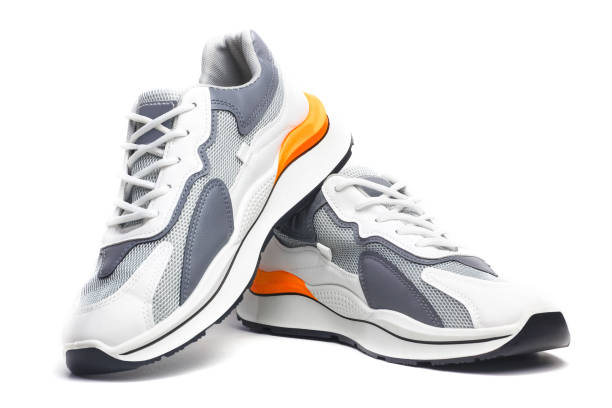
Running shoes are one of the most important investments for anyone serious about fitness, jogging, or athletic performance. Whether you are a beginner starting your fitness journey or an experienced runner training for a marathon, selecting the right running shoes can significantly impact your comfort, performance, and injury prevention. In 2026, the footwear market offers advanced cushioning systems, breathable materials, and innovative designs. However, choosing the best running shoes requires understanding several essential factors.
Why the Right Running Shoes Matter
Running puts repetitive stress on your feet, knees, and joints. Wearing improper shoes can lead to common injuries such as shin splints, plantar fasciitis, knee pain, and ankle strain. The right running shoes provide proper cushioning, stability, and support tailored to your foot type and running style.
Understand Your Foot Type
Before buying running shoes, identify your foot arch type:
Neutral Arch: Most standard running shoes work well.
Flat Feet: Look for stability or motion-control shoes.
High Arch: Choose cushioned shoes for shock absorption.
You can determine your arch type through a wet foot test or by consulting a footwear specialist.
Cushioning and Comfort
Modern running shoes offer various cushioning technologies. Some runners prefer soft cushioning for comfort, while others choose responsive cushioning for speed. The key is balance—your shoes should absorb impact while still allowing natural movement.
Always try shoes in the evening when your feet are slightly swollen, as this mimics real running conditions.
Proper Fit and Size
A proper fit is critical. Ensure:
A thumb’s width space between your longest toe and the shoe front.
Snug heel fit without slipping.
Comfortable midfoot support without tightness.
Never buy shoes that feel tight initially assuming they will “break in.”
Breathability and Material
Running generates heat. Shoes with breathable mesh uppers allow airflow and reduce sweat buildup. Lightweight materials also improve running efficiency and reduce fatigue.
Road vs Trail Running Shoes
Road Running Shoes: Designed for pavement and treadmill use.
Trail Running Shoes: Feature aggressive grip and protection for rough terrain.
Choose based on your running environment.
Durability and Mileage
Most running shoes last between 500 to 800 kilometers. Replace them when cushioning feels reduced or the outsole wears out.
Budget Considerations
While premium shoes offer advanced features, mid-range shoes can provide excellent value. Focus on comfort and support rather than brand alone.
Final Thoughts
Choosing the best running shoes in 2026 involves understanding your foot type, ensuring proper fit, and selecting shoes suited to your running environment. Investing in the right pair enhances performance, prevents injuries, and makes your running experience enjoyable.